


Time to swap campaigns for ecosystems.

Marketing used to be all about the big push. A seasonal sale here, a launch there, maybe a cheeky ad campaign to grab attention. And for a while, that worked. But customers have changed. They don’t wait around for your next promotion anymore, and instead, they’re always looking, always scrolling, always comparing. That means showing up once in a while just isn’t enough anymore.
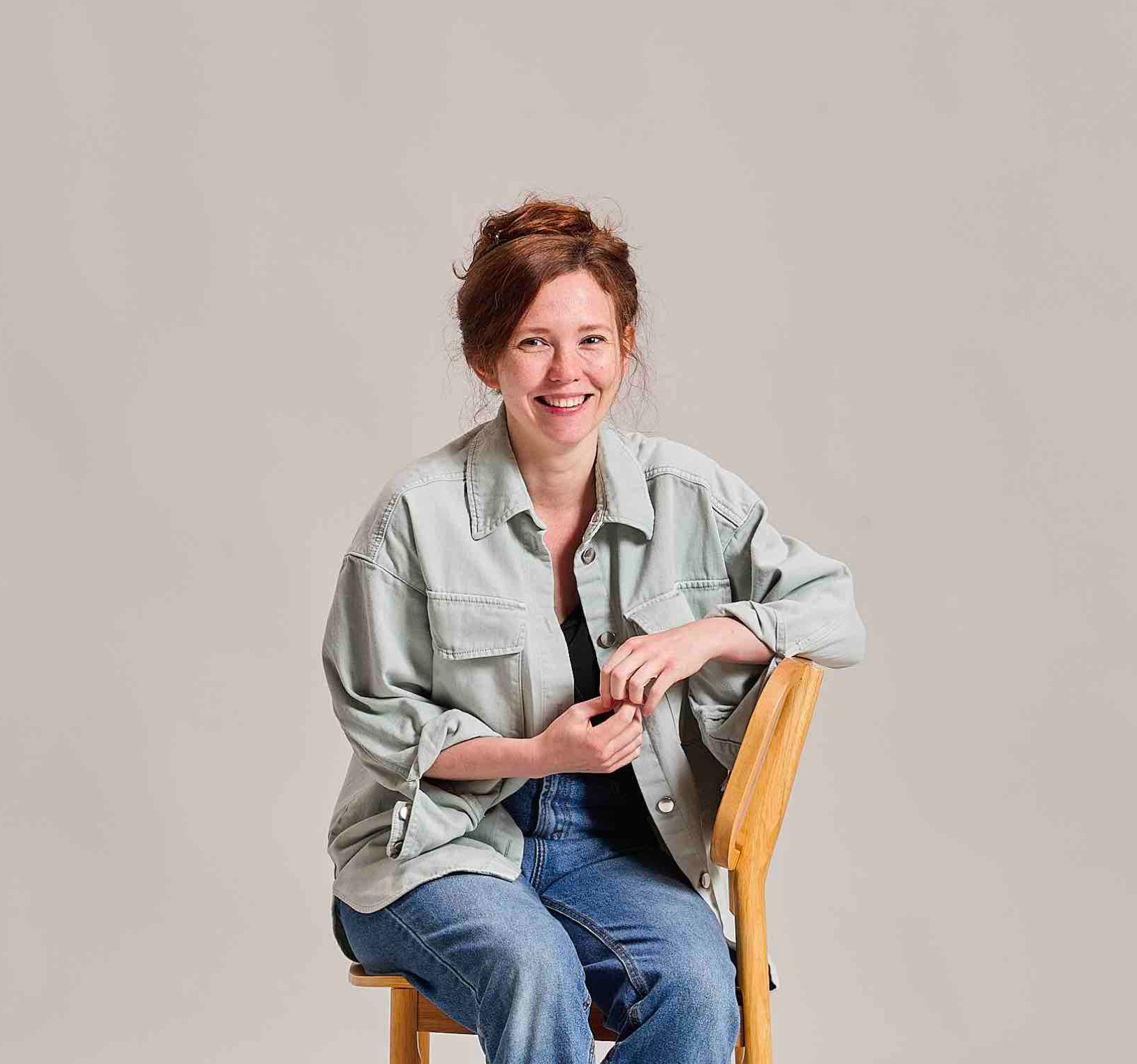
With customer habits changing so much, we’ve sat down with our digital marketing strategist, Beth to find out how SMEs can move beyond the campaign mindset and start thinking in ecosystems. This isn’t about doing more for the sake of it. It’s about being smarter, more consistent, and building something that lasts.

The campaign burnout
Lauren: Let’s start with the big one: What’s a common mistake you see SME owners make with their marketing?
Beth: Oh, hands down, it’s one-off campaigns. Like when it’s just pushing a summer sale or running a Black Friday ad, and then… silence. It’s exciting in the moment, but once that short burst is over, so are the results. To be honest, it’s a bit like setting off fireworks and expecting daylight; it’s just not going to deliver the results you want.
Lauren: And why do many SMEs still lean into that approach?
Beth: Because it’s addictive. You get this huge spike in traffic, a handful of leads, maybe even a short-term revenue bump. And it feels good. But it’s flashy, loud, short-lived. It’s marketing whiplash.
Financially, it’s inefficient. Most businesses overspend on campaigns without any long-term gain. You spend your budget on ads that spike for a week, but if there’s no ecosystem behind it—no SEO, no lead nurture, no retargeting—you’re essentially renting attention and letting it evaporate.
Then there’s the opportunity cost. Every time you run a campaign without capturing data, building a retargetable audience, or creating content with long-term value, you’re robbing your future self. You’re not building equity, you’re buying noise.
Lauren: So it’s not just about money, it’s about sustainability?
Beth: Exactly. And AI is making this model even more obsolete.

How customer behaviour is changing
Lauren: Can you go a bit deeper into that?
Beth: Well, AI has completely changed customer behaviour. Their journey is fragmented and unpredictable because they don’t follow linear paths anymore. People might hear about you from a reel, Google you three weeks later, read a blog post, forget, see a retargeting ad, and then convert. If you’re not consistently present across those steps, you’re missing the majority of buying opportunities.
A single campaign can’t keep up with that. If you’re not consistently visible, relevant, and responsive, you’re out of mind and out of market. That’s why we talk about ecosystems. We’re so numb to that noise now that we’ve learned to block it out. So if there’s no strategy and meaning behind every touchpoint of your campaign, people aren’t going to listen. That’s just the world we’re in now. It’s all about meaning, value, and consistency.
Lauren: So it’s about out-valuing them, not just outspending them?
Beth: Definitely. You have to out-educate and out-value them. Always-on content isn’t just a marketing preference anymore. It’s how your business gets seen in a world where AI curates what people read.
Always-on marketing: What it really means
Lauren: So the businesses that win are the ones that are always visible, always valuable? An always-on ecosystem?
Beth: Precisely. Campaigns may get clicks. But ecosystems build trust. That’s what converts in the long run. It means you’re having an ongoing conversation with your audience and maintaining a continuous presence, delivering value consistently, and adapting to what your customers actually need, in real time.
It’s customer-first, data-driven, multi-channel, and most importantly, sustainable. The benefits of that are better ROI, stronger brand equity, a healthier pipeline, and more stability with far fewer peaks and troughs. You’re staying top of mind through an ecosystem of interconnected efforts.

Breaking down the ecosystem
Lauren: Ok, so what kind of results does this approach generate?
Beth: Higher lifetime value, lower cost per acquisition, and more predictable pipelines. But more importantly, it builds a brand. You stop selling and start resonating, and that’s where real growth happens.
Lauren: And what practical advice would you give? What are the building blocks of a marketing ecosystem?
Beth: Right, digital marketing offers multiple channels that each have their own benefits, but also where each part feeds the others.
- Content marketing
This is answering the questions your customers are actually asking. Think buyer guides, expert roundups, case studies, SEO-optimised articles. Anything that’s educational and offers value.
- SEO
This is how you give your content the best chance of actually being found by the right people, so you appear when they Google a problem you solve. Think technical SEO, on-page optimisation, backlink strategies, and monitoring.
- Social media
Remember that it’s not just about posting. You also need to engage, listen, and be present. It’s a two-way channel for storytelling, community-building, and brand growth.
- Paid ads
This should be adaptive. Budgets shift weekly. Creatives evolve based on A/B testing. Channels rotate based on where your audience is moving. This gives you flexible, intent-driven campaigns that adjust based on real-time data.
- Email marketing
This is where leads become relationships. Always-on means having lifecycle campaigns for onboarding, retention, win-backs, upsells. Not just newsletters, but segmented, behaviour-driven messaging that keeps you front of mind.
- Analytics
And finally, this is your nervous system. Everything you do should be measured and adjusted accordingly, including multi-touch conversion attribution and which activities actually drive revenue.
And then these channels are all connected. Content fuels SEO and social. Social builds an audience for email. Paid media accelerates reach. Data ties it all together.
Lauren: Sounds like a lot to manage!
Beth: It is. That’s why you need the right structure and, often, the right partner.

Choosing your strategic growth partner
Lauren: Let’s talk agency involvement. Where do they fit into this ecosystem approach?
Beth: They’re the architects. They see the bigger picture and help you build a strategy that actually works. They bring structure, consistency, and expertise to the chaos, ensuring that content supports SEO, that paid media reflects customer intent, and that your CRM automations align with your brand voice.
They’ll help map the customer journey, identify where content fits, implement the right tools, analyse the data, and optimise continuously. Plus, they give you access to additional skills, like brand design and web development. This gives you engaging, brand-led content every time, plus landing pages and websites that are designed to convert and maximise your ROI.
Lauren: And what should an SME owner look for when choosing an agency for this kind of work?
Beth: Look for someone who listens first, doesn’t pitch boilerplate solutions, and talks about long-term value. They should care about your business goals as much as your grid. Ask how they think about lifecycle marketing. See if they talk about strategy before execution. Ask how they measure success. If they mention attribution models and LTV instead of clicks and likes, you’re on the right track.
And then I’d definitely look for an agency that specialises in branding. Honestly, marketing is just an extension of that. Marketing is your brand, so you need someone who understands it. Otherwise, you risk everything going off track.

How to start building your ecosystem
Lauren: For an SME ready to shift from campaigns to ecosystems, what are the first few steps?
Beth: Start with an honest audit. What’s currently bringing in leads? Where are the drop-offs? What’s working well but isn’t being scaled? Then set clear goals. Are you trying to build awareness, drive leads, or retain customers?
Next, find the right agency partner by looking for strategic input from day one. Have conversations and ask how they’d approach your ecosystem, not just your next campaign. From there, work together to create a roadmap. Start small, maybe begin with content and SEO, then scale into email and paid media. But keep measuring, reviewing, and optimising. That’s where the ‘always-on’ part really takes hold.
Lauren: And how do you measure success in an always-on approach?
Beth: Success isn’t just clicks or likes. It’s consistency in quality of leads, brand visibility, and long-term growth. Review performance regularly and look for upward trends, not instant spikes.
Lauren: Great, and any final words for SMEs still relying on campaigns?
Beth: Ask yourself: are you building brand equity or just chasing spikes? Campaigns aren’t dead, they just can’t be the whole plan. Think of them as bursts within a bigger rhythm, with ecosystems creating the foundation that makes campaigns worth running.
So don’t wait for your next big push to connect with your audience. Be there already. Be visible, valuable, and evolving.

The future is continuous
So, there you have it. The idea isn’t to ditch campaigns altogether, as they still have their place. But real marketing momentum comes from showing up consistently, with something valuable to say.
Building a marketing ecosystem means less stress, better results, and a strategy that supports your long-term goals. Start small, stay focused, and choose an agency partner who thinks beyond the next post, promotion, and vanity metrics. Great marketing means less scrambling and smarter scaling.


