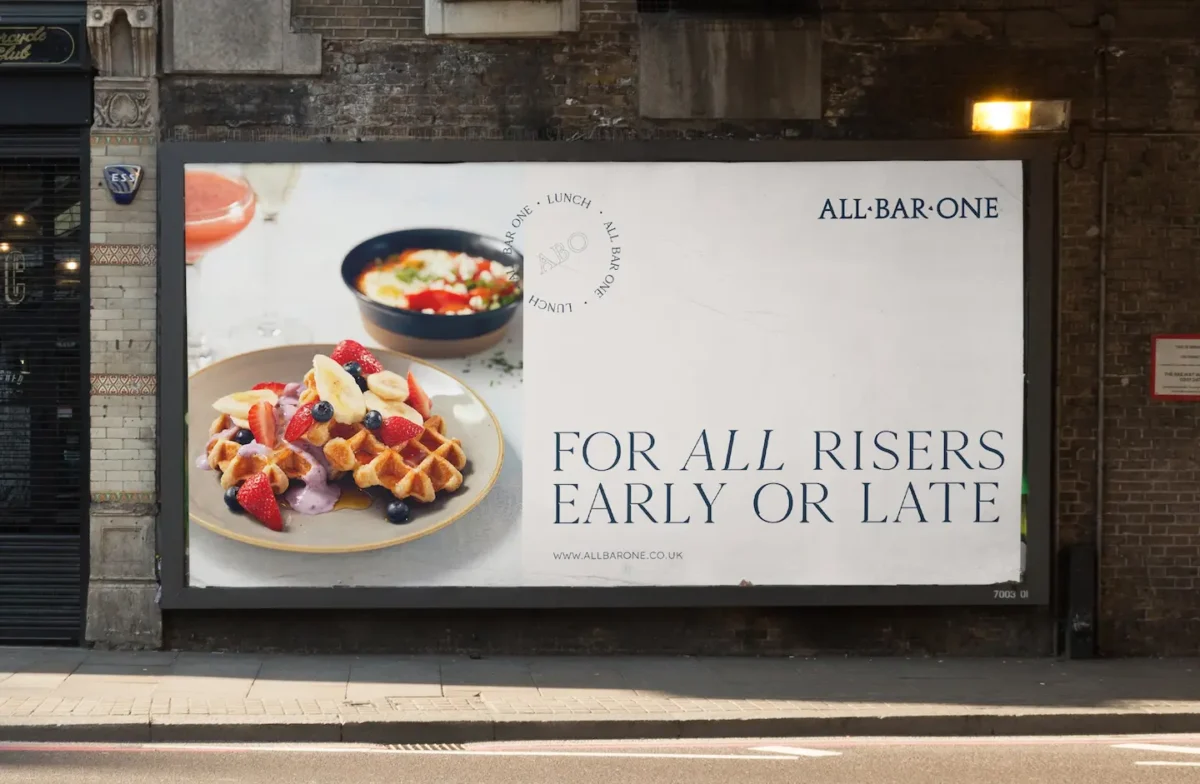
Why your paid ads need storytelling.


We get lost scrolling through thousands of ads every day, most of which disappear without a trace. And with attention spans shrinking, it’s tempting to focus on sharper targeting and more A/B tests. But instead of refining how you reach people, try rethinking what you say.
What you need to do is combine the quick reach of paid ads with the lasting impact of brand storytelling. It’s all about connection, and the campaigns that stick are the ones built around a story. Not a slogan or a sales pitch, just a narrative that reflects who you are, what you stand for, and how you fit into your customer’s world. This is how you turn short-term attention into long-term loyalty.
Let’s look at why narrative matters more than ever in paid media, how to build an authentic and relevant story-led campaign, and what metrics to measure beyond impressions.
So, why does storytelling matter?
More ads, more formats, more reach. This used to be a great advantage for driving quick results, but as everything has grown bigger and louder, it’s all turned to noise. And people have adapted by becoming more skilled at filtering out irrelevant content, especially when it interrupts their feed.
But storytelling is different, with decades of research revealing that people remember stories better than facts alone. And when it comes to branding, this effective storytelling translates into a 30% increase in conversion rates, because when we hear a story, we engage emotionally, drawing parallels with our own experiences and making meaning.
So we need stories to build context, and where competitors offer similar features or price points, having a compelling narrative helps people understand why your brand exists and why it matters. This offers the kind of differentiation that lasts, giving people something to believe in and to return to long after your ad ends.
And it builds trust. Brands that feel most credible are the ones that show up consistently with values, voice, and clarity, and storytelling is one of the most effective ways to deliver that. When a brand communicates in a way that feels human and rooted in something real, audiences take notice. This invites them into your brand’s world without forcing a pitch, making sure that customers feel understood rather than targeted.

Integrate storytelling & paid ads
So we know storytelling matters, but the reality is that integrating it into paid media can be a challenge. And it’s not for the lack of a story to tell, but rather the actual structure of paid ads. Formats are short, attention spans shorter, and many paid campaigns are built around isolated objectives like driving clicks, capturing leads, or retargeting, with little room for nuance or narrative depth.
To top things off, internal silos between brand and marketing teams can lead to messaging that feels fragmented or inconsistent. Storytelling must have alignment, clarity, and a willingness to measure success in more than just direct response. Otherwise, campaigns risk becoming transactional, even when the intent is emotional.
When story and structure are aligned, even the limited formats of paid ads can have a surprisingly big impact. Here’s what you need to do to get them realigned.
01. Start with the story, not the asset
Before producing content, you need to understand what story your brand wants to tell and why. This is about clarifying the brand’s role in the customer’s life.
Effective brand stories tend to be simple and consistent. They start with a clear origin or belief, stay grounded in real values, and speak directly to a known customer need. That might come from the founder’s experience, the problem the product solves, or the positive change you hope to make. These narratives might evolve over time, but they remain anchored in something true.
The most effective stories also shift the focus from the brand to the customer. This positions your product or service as an enabler, empowering your audience to help them achieve something, solve something, or become something. Paid media works best when it leans into that perspective.
2. Translate narrative into campaign design
Once the story is clear, it becomes easier to craft campaigns that feel cohesive across multiple different formats.
This could look like a series of short videos that reflect a shared customer experience. A carousel ad that walks you through a journey, not a feature list. Or a single line of copy that speaks with emotional precision. Strong stories can be told in five seconds, they just need that clarity.
Paid social, especially, is a visual-first space, and brands that lean into design and content that feel natural to the platform tend to perform better. That includes user-generated content, behind-the-scenes formats, or simple video sequences that prioritise authenticity over polish.
What’s important to remember is that conversion is a by-product of trust. That means your approach to paid ads needs to be in line with your brand, with a brand-led narrative informing everything from the landing page to the ad creative to the tone of the call-to-action. This alignment keeps campaigns cohesive and credible to help drive conversions.
3. Let performance inform brand
While there’s a common divide between brand and marketing, good storytelling can help bridge it. Paid campaigns, especially on social and search, offer fast feedback loops with real-time data. This reveals which story angles resonate, which visuals spark interest, and which headlines get read.
This doesn’t mean turning your brand into an algorithm. It’s simply using performance data to refine how your story is told, and who to. If a certain phrase drives engagement, explore why. If a particular type of customer keeps converting, ask what in the narrative spoke to them.
In this way, paid media becomes a testing ground for sharper brand expression, more impactful results, and stronger brand growth.

Storytelling on a smarter budget
And remember, you don’t need a huge budget to tell a compelling story. All you need is a clear point of view and some creativity. For SMEs, the most effective narratives start with what’s close to home, so the founder’s journey, customer experiences, or the solutions you offer. All that these require is honesty, consistency, and a strong sense of who you are and who you’re speaking to.
When actioning your campaign, choose one platform where your audience is most active. Instead of spreading your budget thinly across multiple channels, focus on creating story-led content that’s tailored to that space, whether that’s short-form video on Instagram or a tightly framed narrative in paid search.
Then there’s user-generated content (UGC), which is incredibly effective. This type of content is authentic, relatable, and often more trusted than brand-created content, with 88% of consumers turning to peers before making purchases. So, encourage customers to share their stories or experiences and, with their permission first, build campaigns that spotlight them. This reduces costs while bringing your audience into the story for an inclusive community that builds loyalty.
Think small, smart, and strategic. A well-placed, well-told story doesn’t need to be loud, it just needs to be human.
How to measure the impact of storytelling
Storytelling is often seen as harder to quantify, but that doesn’t mean we can’t measure it. Yes, not every impression will convert. Yes, stories work over time, not overnight. But the effects do eventually show up in metrics that reflect genuine engagement and intent.
For awareness, look at video views, click-through rates, and time spent with content. For brand strength, track search volume for branded terms, social mentions, or share of voice across your category. There are also listening tools you can use that reveal how people feel about your content, not just whether they clicked.
And remember that if someone sees a brand story video, Googles your name three days later, and then converts on a search ad, that conversion didn’t start with the keyword. It started with the narrative. This makes assisted conversions a really valuable metric for understanding the ROI of brand storytelling.
Over time, storytelling influences repeat purchase rate, customer lifetime value, and conversion efficiency. That’s because when customers already know what you stand for, you spend less time convincing and more time converting. And that’s why both branding and marketing need a holistic view to measuring ROI.

Integrate with your wider strategy
You’ve probably got marketing strategies in motion already with SEO, email, content, and existing paid ads. The key here is to start bringing narrative thinking into the channels you’re already using.
With SEO, this might mean shaping more blog content around a clear point of view or a recurring theme that ties individual pieces together into a broader brand narrative. For email marketing, it’s about being consistent with the kind of story you’re telling over time. What journey are you taking your audience on? How do your campaigns build on each other to develop trust, familiarity, and interest?
Integrating storytelling is all about being intentional. Start with the why behind your message, understand the emotional drivers behind your audience’s decisions, and ensure that every touchpoint feels connected. When your organic and paid channels all reinforce the same story, that’s when you’re building a brand.
Storytelling goes from clicks to connection
It’s easy to focus on what’s measurable and forget what’s meaningful, but brands building sustainable growth know better. They recognise that while impressions show reach, real impact comes from relevance. That clicks are only the start of a deeper connection, and lasting loyalty is built through consistency, clarity, and emotional resonance.
Storytelling makes your strategy work harder and gives your campaigns real meaning. Ready to start building that kind of engagement? Our Shrewsbury-based brand and marketing agency combines heart and brain for growth campaigns that deliver real, measurable value.
As our lead Digital Marketing Strategist, Beth draws on nearly a decade of experience to help ambitious brands scale by blending creative campaigns with data-led performance.