Read time : 7 min
Studio News

You ask for a website. Here’s what we look at first.

Brand Strategist, Will, and Marketing Strategist, Beth, talk about what happens when a business comes to The Curious with a problem to solve, and how we work out where the real opportunity sits.
Written By:
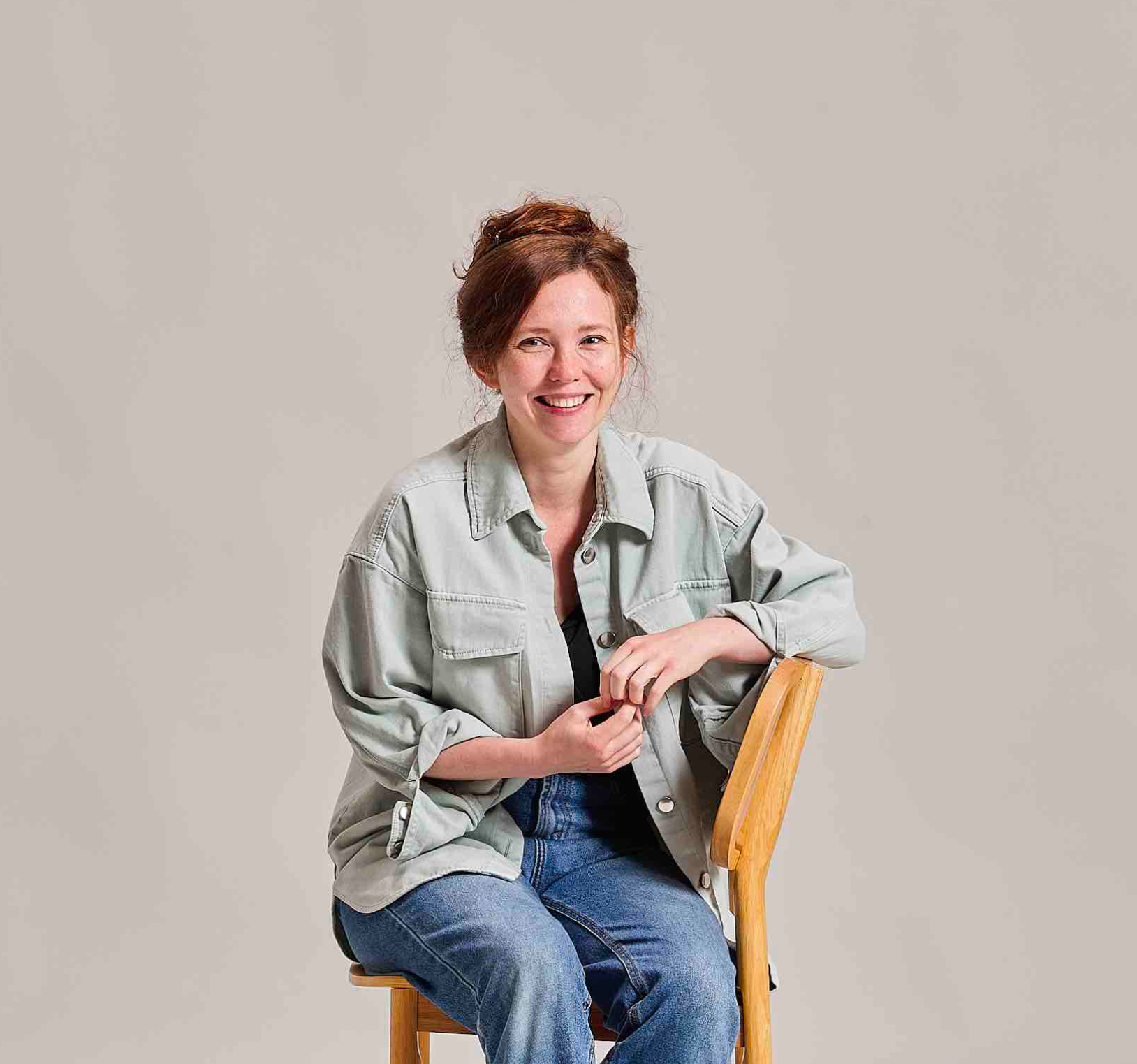
Smiling woman in casual shirt and jeans sits on a wooden chair against a plain background.
Lauren - Copywriter
14th September 2026
You ask for a website. Here’s what we look at first.

There’s often a point in a business where something no longer feels quite right.


The website feels dated. Marketing isn’t generating the response it used to. The brand no longer reflects where the business is going. Perhaps sales are taking longer than they should, or customers aren’t quite understanding the value of what’s on offer.


The temptation is to start with the thing that looks easiest to change, whether that’s a new website, a rebrand or more marketing. But before deciding what needs to be made, changed or launched, we need to understand what is actually getting in the way.


So what does that process look like in practice?


We sat down with Will and Beth to discuss how we diagnose problems across brand, web and marketing before deciding what work will have the greatest commercial impact.


Q: When a founder says, ‘We need a new website’, what do you look at first?


Will: The first thing I want to understand is why they think they need one.
 
Usually, there’s a reason behind the request. The website might feel outdated, competitors might have moved ahead, or the business may have changed significantly since it was launched.
 
Those are all useful starting points, but they don’t tell us what the underlying issue is. I want to understand what the business is trying to achieve, what has changed and where customers are getting stuck.
 
For example, if the website isn’t generating enough enquiries, I’d want to know whether people understand the proposition when they arrive. If they do, can they find what they need? If they can, is there enough reason for them to take the next step?
 
And sometimes you realise the website isn’t actually the problem.

”
A founder knows their business better than anyone. What they may not have is the distance to see how all of those things connect.

Beth: I think the same applies to marketing.
 

A business might say, ‘We need more leads,’ and that can quickly become ‘We need more paid media’ or ‘We need better SEO.’ But before we add more traffic, I want to understand what’s happening to the traffic they already have.
 
Are the right people finding the business? Are they responding to the proposition? Is the website doing enough to turn interest into action? Is the sales process creating another point of friction?
 
You can put more budget into acquisition, but if the problem sits further down the journey, you’re just paying to create more of the same problem.
 
 
Will: Which is why we’re interested in the thing underneath the deliverable. The deliverable is often how the problem presents itself to the client. Our job is to work out what is actually causing it.


Q: How do you work out what’s holding a business back?

 
Beth: We start by looking at the whole customer journey rather than one part of it in isolation. And there are a few questions that usually help.
 

Can the right people find you? Once they do, do they understand what you offer? Can they see why you’re different? Can they easily find the information they need? And is the next step obvious?
 
The answers start to show you where the friction is.
 
 
Will: And there are usually patterns.
 
If the business has a good offer but customers struggle to understand why it’s different, that points us towards positioning and proposition.
 
If people understand the offer but can’t navigate the website, find the right information or work out what to do next, then the opportunity may be in the digital experience.
 
And if the proposition and experience are working but not enough of the right people are finding the business, then marketing becomes a much bigger part of the conversation.


Beth: But none of those things exists in isolation.
 
You might discover that the business needs a clearer proposition and a better website, because the site is currently making something that’s already hard to explain even harder to understand.
 
Or you might find that the website is doing a good job, but the marketing is reaching the wrong audience.
 
That’s why we don’t think in terms of choosing one service before we’ve understood the problem. We’re looking for the point where the biggest commercial opportunity sits.



Two women smiling and looking at a laptop together while sitting at a desk in a bright room.


Q: Do you ever tell clients they don’t need the thing they came to you for?


Will: Yes. And sometimes the answer is still the thing they originally asked for. That’s important.


We’re not trying to avoid doing a website because we want to prove a point. If the website really is the constraint, then a new website might be exactly what the business needs.


The difference is that we want to understand what the website needs to achieve before we start designing it.


Beth: The same goes for marketing.


Sometimes a business genuinely does need more demand. But we’d rather know that because we’ve looked at the customer journey and understood the numbers than because ‘more leads’ sounds like the obvious answer.


The role of strategy is to help decide where effort and investment will have the greatest impact.


Will: And that sometimes means challenging the original assumption.


A founder knows their business better than anyone. They know what’s changed and what’s frustrating them. What they may not have is the distance to see how all of those things connect.


That outside perspective can be invaluable.


Q: What do you notice when brand, web and marketing are working together properly?


Will: Usually, things start to feel clearer. The business can explain what it does and why it matters more consistently, and the brand, website and marketing stop telling slightly different versions of the same story.


As well as being better for customers, it makes decision-making easier internally, too.


Beth: From a marketing perspective, you start seeing fewer points where people drop out.


People stop dropping out because of a confusing website. The proposition is strong enough to support the campaign, while the customer journey makes sense from the first interaction through to conversion.


And when something doesn’t work, you have a clearer idea of where to look.

”
Sometimes you realise the website isn’t actually the problem.

Will: It also gives the business a stronger foundation for change. You’re not starting from scratch every time the market moves, a competitor changes position or the business enters a new phase.


There’s a clearer strategic idea underneath everything, so the brand, website and marketing can adapt without pulling in completely different directions.


Beth: That matters because growth doesn’t usually happen as one big project. It comes from making better decisions about where to focus, learning from what happens and improving the parts of the system that are creating the most value.


When you ask for a website, that’s what we look at

 
There isn’t a single formula for diagnosing a business. Every organisation has different customers, pressures, ambitions and constraints. That’s why the starting point is understanding the business rather than selecting a service from a list.
 
A new website may be the answer. So might a clearer proposition, a different customer journey or a change in the way the business creates demand.
 
The opportunity often sits across more than one of those things. The important part is knowing what needs to change first, why it matters and what the work needs to achieve before deciding what to make.
 
That’s where strategy earns its place. The best work starts by understanding what the business actually needs to change.

Smiling woman in casual shirt and jeans sits on a wooden chair against a plain background.
By Lauren - Copywriter
Drawing on her background in commercial translation, Copywriter Lauren crafts nuanced messaging that captures your tone of voice. Writing for The Curious since 2018, she fuses brand-led copywriting with SEO for measurable growth.  
Start a Project //
Start a Project //
prefer a call: 01743 354 444
What are you looking for support with?
Contact me on
Business name or web address?
Can you tell us anymore details?


    prefer a call: 01743 354 444