03. Put the answer next to the button
Once someone arrives, don’t make them hunt for the information. If transport is likely to influence whether they book a visit, explain it on admissions and open-day journeys, not just on a standalone transport page.
If fees are a consideration, help parents understand them when they’re comparing their options. If a parent is booking an open day, answer the questions that could stop them attending directly on the event page.
This is where content and UX need to work together. And the best place for an answer is usually right next to the decision it helps someone make.
04. Don’t make them think about the next step
Every high-intent page should have a clear next step. Once someone has answered their question, what do you want them to do?
Book an open day.
Arrange a visit.
Speak to admissions.
Download key information.
Start an application.
Make that journey obvious and remove unnecessary steps between interest and action. Beautiful branding creates the impression. A well-designed admissions journey turns that impression into engagement.
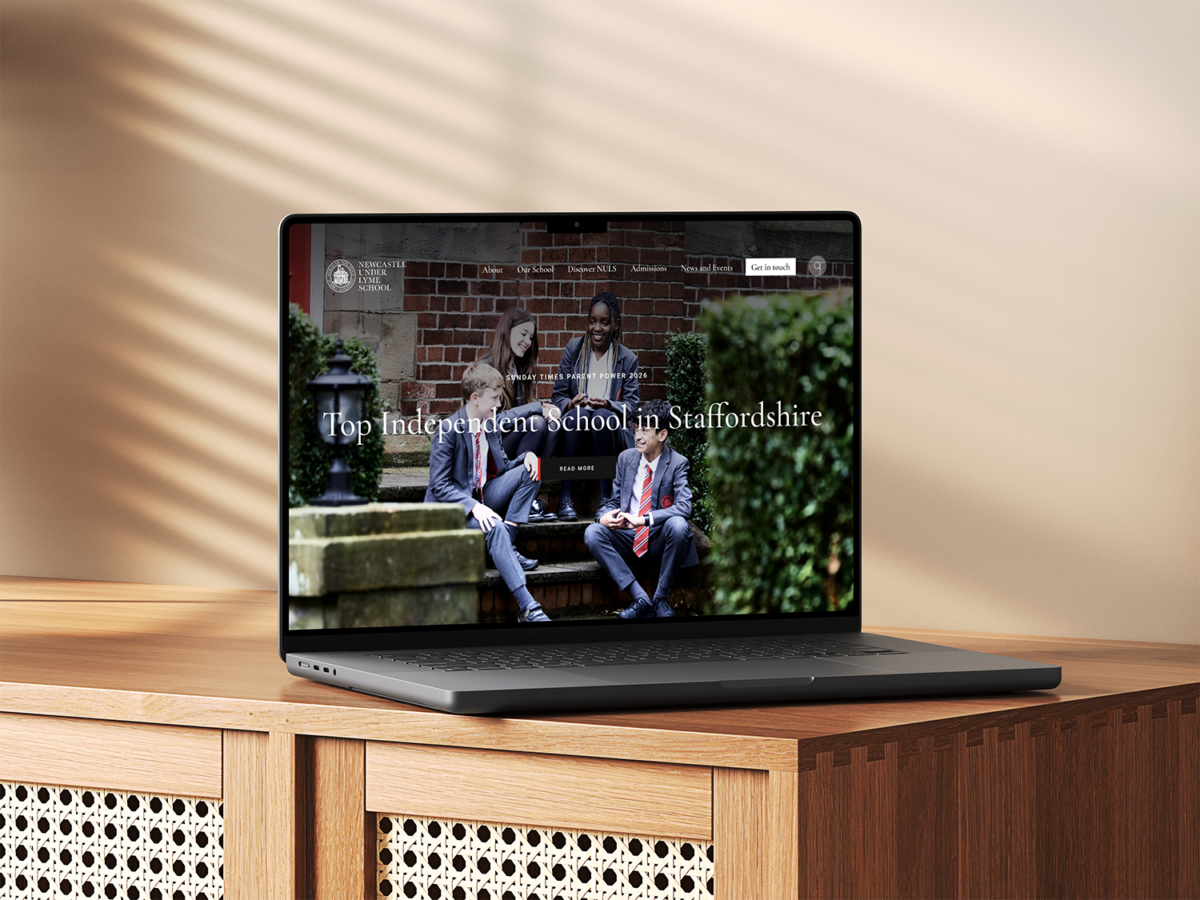
What happens when you remove the friction?
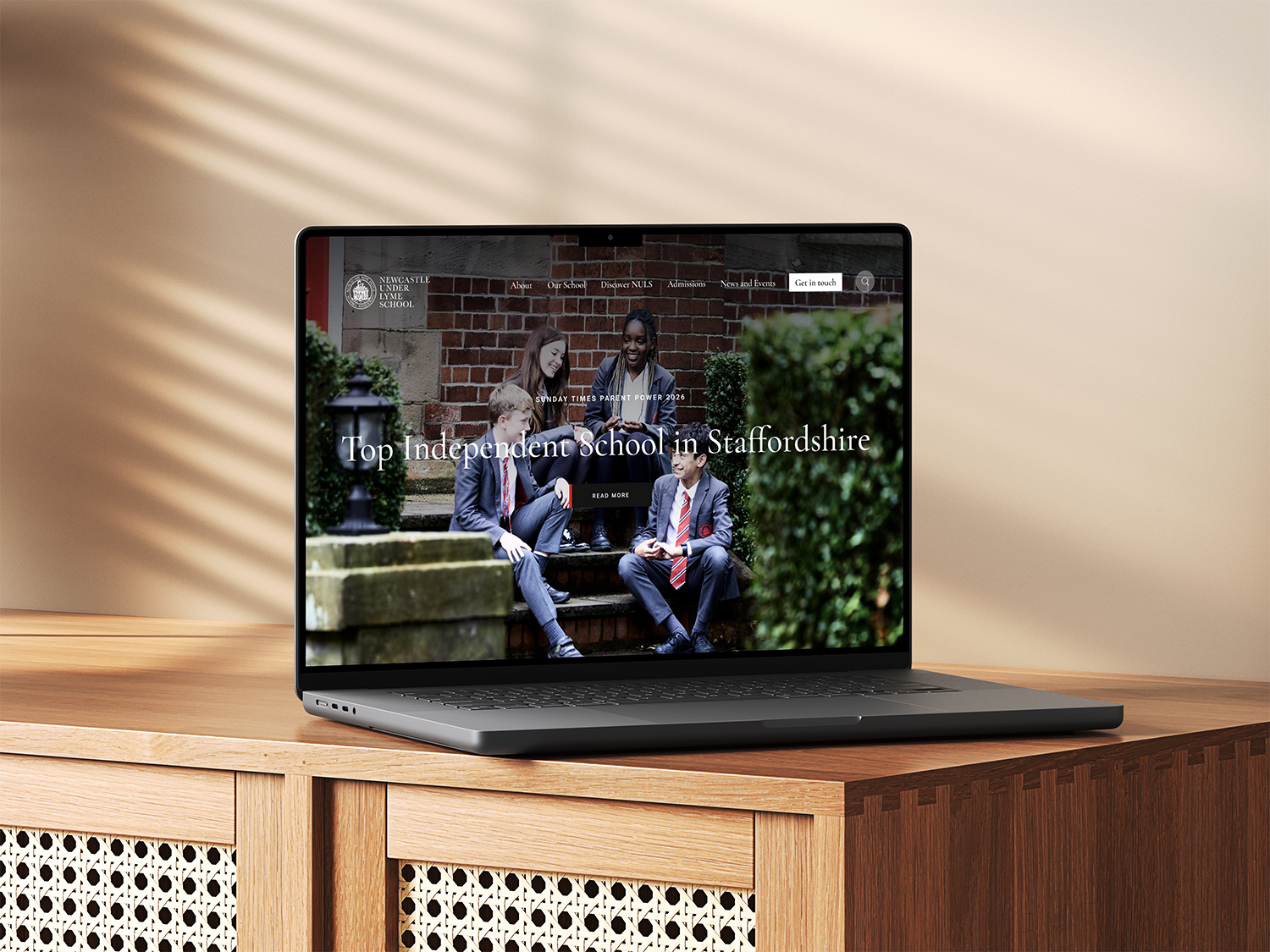
Newcastle-under-Lyme School (NULS) is a great example of what can happen when the admissions journey is designed around what parents actually need.
Rather than relying on the school’s existing reputation and brand positioning to do all the work, the focus shifted towards making it easier for prospective parents to discover the school, understand the admissions journey and take the next step.
That meant looking at the website through the eyes of a parent rather than the structure of the organisation, connecting local search visibility, useful information and clearer conversion journeys around the moments that mattered.
The result was significant growth across key admissions measures:
+401%
surge in open day and event page traffic
+73.8%
uplift in active Prep School admissions engagement
45%
increase in Senior School admissions visibility
The whole aim was to make it easier for the right parents to find the school, get the information they needed and feel confident taking the next step.
Prestige still matters, it just can’t do the whole job
A strong school brand will always play an important role in admissions. It creates recognition, builds trust and gives parents a sense of what the school stands for.
But when the decision becomes practical, parents need answers.
They need to understand the experience, the commitment and the journey ahead. And they need to be able to find that information without working too hard for it. So instead of just telling parents why they should choose the school, focus on making it easier for them to choose.
That’s where brand, search and digital experience start working together, and where more of your admissions interest can turn into actual visits, enquiries and applications.
Your next move:
Go to your school’s website right now on your phone. Try to find your exact fee structure, wraparound care hours and the nearest bus route to a neighbouring town.
If it takes too long to find the answer, don’t assume parents will keep looking. They’ll find a school that makes it easier.